Cho Oyu Expedition
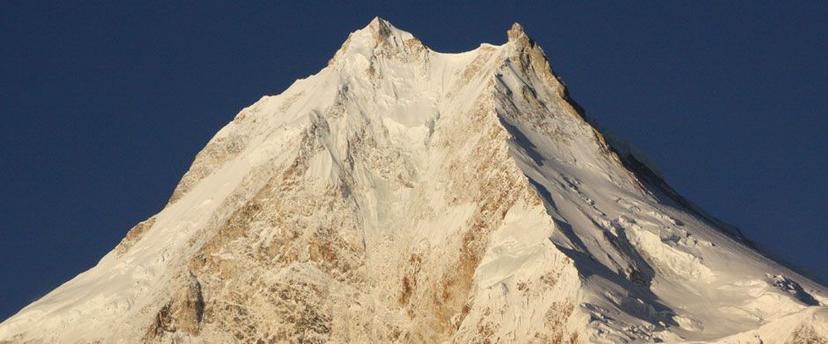
Mount Cho Oyu, standing at 8,201 meters (26,906 ft), is the sixth-highest mountain in the world, located along the Nepal–Tibet (China) border. It is widely regarded as one of the most accessible 8000-meter peaks, making it an ideal climb for those preparing for Mount Everest or other more technical Himalayan giants.
Overview
Mount Cho Oyu, standing at 8,201 meters (26,906 ft), is the sixth-highest mountain in the world, located along the Nepal–Tibet (China) border. The mountain was first successfully climbed on October 19, 1954, via the northwest ridge by Herbert Tichy, Joseph Jöchler, and Sherpa Pasang Dawa Lama during an Austrian expedition.
Cho Oyu is widely regarded as one of the most accessible 8000-meter peaks, making it an ideal climb for those preparing for Mount Everest or other more technical Himalayan giants. The mountain presents relatively fewer technical challenges, offering climbers a chance to develop high-altitude climbing skills in a less demanding environment.
The Cho Oyu Expedition from the Tibet side involves a short but scenic drive and trek to the base of the mountain. After establishing the Cho Oyu Base Camp, climbers proceed to Intermediate Camp and Advanced Base Camp (ABC). From ABC, the climbing route involves establishing three high camps:
- Camp I: Positioned on a snow ridge accessed via a gentle glacier.
- Camp II: Situated below a short ice wall and snow slope.
- Camp III: Located on the summit plateau for the final push.
The route features moderate slopes, short technical sections, and minimal objective dangers, making it a favorite among mountaineers seeking their first 8000-meter summit experience. Asian Hiking Team offers professional support, logistics, and experienced climbing Sherpas to ensure a safe and successful ascent of Mount Cho Oyu.
Cho Oyu Climbing Route Details:
Camp I – 6,400 m: It takes approximately 5 to 8 hours of steep ascent to reach Camp I from the Advanced Base Camp. The route begins with a gentle glacier approach, followed by a steeper climb as altitude increases. Camp I is situated on a broad, snowy shoulder, which leads up to a prominent ridge above. The area provides a secure and relatively spacious location for tents.
Camp II – 7,000 m: From Camp I, climbers follow a snow-covered ridge leading to a series of ice cliffs. At around 6,600 meters, a steep 50-meter ice wall presents the most technical and challenging section of the climb. Although it is considered straightforward with the use of fixed ropes, this segment demands caution and strength. Above the ice cliffs, climbers navigate through several crevasses to reach Camp II, established on a flat section of the glacier at 7,000 meters.
Camp III – 7,400 m: The ascent from Camp II to Camp III takes around 4 hours. The trail continues over moderately steep snow slopes, gaining altitude gradually. Camp III is set just below a rocky band, which separates the lower slope from the summit plateau. This camp serves as the launch point for the summit push, offering direct access to the wide and relatively gentle summit ridge.
Summit day on Cho Oyu is physically demanding, due to the extreme altitude and long hours, but generally non-technical, making it one of the safest and most accessible 8,000-meter peaks.
The summit push on Cho Oyu begins before midnight, typically around 1:00 AM, from Camp III (7,400 m). Climbers ascend using headlamps, moving steadily up snow-covered slopes toward the summit plateau. The initial climb is moderately steep but becomes more gradual as altitude increases.
After several hours of steady climbing, the route reaches the Yellow Band, a short but steep section of rock and snow, often fixed with ropes. Above this lies the vast summit plateau, a broad, flat area that can be misleading in poor visibility. Many climbers mistakenly assume they've reached the top when they arrive here; however, the true summit lies at the far end of the plateau.
After a short time at the summit for photographs and celebration, the descent begins via the same route, returning to Camp III. If climbers are strong and conditions allow, they may descend further to Camp II or Camp I for rest and recovery.
Trip Facts
40 Days
8,201 meters
2-15 persons
Nepal–Tibet (China) border
North Ridge
Mountaineering VII
Spring & Autumn (autumn is the best)
Hotel and Camping
Drive and trek to base camp.
Trip Highlights
Sixth Highest Mountain in the World
At 8,201 meters, Cho Oyu offers a prestigious 8000-meter summit experience.
Ideal First 8000er
Known as the easiest and safest of all 8000-meter peaks, Cho Oyu is perfect for climbers preparing for Everest or other technical climbs.
Technically Less Demanding
Gentle slopes, minimal objective hazards, and limited technical climbing make it an excellent high-altitude training ground.
Climb from the Tibet Side
Scenic drive through Tibet with gradual altitude gain, aiding acclimatization and comfort.
Three Strategic High Camps
Well-established route with Camp I (6,400 m), Camp II (7,000 m), and Camp III (7,400 m) for a safe and efficient summit push.
Breathtaking Summit Views
Enjoy panoramic vistas of Everest, Lhotse, Makalu, Shishapangma, and other Himalayan giants from the summit ridge.
Experienced Sherpa Support
Climb led by certified, high-altitude Sherpas with a proven safety record.
Fixed Departure with Full Logistics
Asian Hiking Team provides professional support with transportation, permits, yaks, kitchen staff, and base camp services.
Summit Plateau Experience
Unique opportunity to walk across a broad summit plateau at extreme altitude before reaching the true summit.
Cultural Exploration
Journey through Tibetan highlands, visiting towns like Tingri and experiencing Tibetan Buddhist culture.
Itinerary
Meet Asian Hiking Team staff and transfer to hotel.
Day 02 and 03: Preparation days – apply for Chinese visa, attend expedition briefing at the Ministry of Tourism. Overnight at hotel.
Drive Kathmandu to Kerung Border (2,800 m) – approx. 185 km, 7–8 hours. Overnight at hotel.
Drive Kerung to Tingri (4,300 m) or Lhatse (4,350 m) – 370 km, 5–6 hours. Overnight at hotel.
Rest and acclimatization day. Explore the surrounding area. Overnight at hotel.
Drive to Chinese Base Camp (5,000 m). Overnight camping.
Rest and final preparations at Chinese Base Camp. Overnight camping.
Load ferry preparation with Yaks for Advance Base Camp. Overnight camping.
Trek from Chinese Base Camp to Middle Camp. Overnight camping.
Trek from Middle Camp to Cho Oyu Advance Base Camp (5,700 m). Overnight camping.
Day 12–34: Climbing period for Mt. Cho Oyu (8,201 m). Establish Camp I (6,400 m), Camp II (7,000 m), and Camp III (7,400 m) for summit push. Overnight camping.
Descend from Advance Base Camp to Chinese Base Camp. Overnight camping.
Drive from Chinese Base Camp to Tingri/Zhangmu. Overnight camping or hotel.
Drive Zhangmu to Kathmandu. Transfer to hotel.
Rest and contingency days in Kathmandu. Optional city tour and farewell dinner. Overnight hotel.
Day 40: Final departure from Kathmandu. Airport transfer provided.
Route Map
What's Included
Land Transport / Domestic Air ticket
- Pick up from International Airport to Hotel.
- Drop from Hotel to Airport.
- Kathmandu to Trekking starting and ending land transport as itinerary.
- Domestic flight as itinerary.
Accommodation and Meals
- Hotel in Kathmandu with breakfast as itinerary (here are so many options, we provide on cost 3-star hotel if you want higher star please add on option.
- Accommodation during the trekking: Single/Twin-sharing room with wooden beds, foam mattresses, and blankets (bring a sleeping bag for extra warmth/hygiene). Most of the place have shared toilets (usually Asian-style squat or Western toilets). Some of the place has attached toiled. Hot showers available (on extra cost). Higher up, hot water is scarce.
- Base Camp single tent with mattress and pillow for each member, climbing Sherpa, BC staff and Liaison Officer.
- High altitude tents for all members and climbing Sherpa’s.
- All camping equipment like camp furniture (table, chairs), kitchenware, kitchen, dining, guest, shower and toilet tents in Base camp.
- Camping / Upper camps’ meals (Breakfast, Lunch and Dinner) with hot drinks, high foods etc.
- Snacks for climbing: Pack energy bars, nuts, chocolate, or local chyura (beaten rice) for quick energy boosts between meals during the climbing/expedition only.
- Breakfast: Porridge/Oatmeal (often with honey, fruits, or nuts), eggs (fried, scrambled, or omelets with veggies), Pancakes or Tibetan Bread (served with jam, honey, or peanut butter), Muesli/Cornflakes (with hot or cold milk), Tea/Coffee (black, milk tea, or ginger lemon honey tea) etc.
- Lunch: Dal Bhat (Nepali staple: lentil soup, rice, vegetable curry, and pickles—unlimited refills!), Noodles/Pasta (fried noodles, garlic pasta, or ramen), Momos (dumplings stuffed with veggies or meat), sandwiches (egg, cheese, or tuna), soup (garlic, mushroom, or veggie—popular for warmth and hydration) etc.
- Dinner: Dal Bhat, Curries (veggie, potato, or chicken with rice or chapati), Thukpa (local noodle soup), Pizza, Pasta, Fried Rice/Noodles, Desserts (apple pie, rice pudding, or Snickers rolls etc.).
Permits and Entry fees
- National Park permit /Entrance fees.
- Conservation permit / Entrance fees.
- Expedition Permit /Royalty.
- Government appointed Liaison Officer: insurance, equipment, transportation, bonus, and daily wages for liaison officer.
- Local Entry permit / Entrance fees.
- Entrance fees in Monastery/temple.
Staffs: Guide, Sherpa, Porters
- Expedition Sherpa Guide: A First Aid and Eco trained & Government licensed holder professional equipped English-speaking one high altitude Sherpa guide per member.
- Support Sherpa: we use high altitude Sherpa guide for transport to upper camps.
- Porter/Yak: Baggage/ Equipment allowance for trekking up and down is maximum 50-60kg per person.
- Base Camp Manager, Base Camp cook, necessary staffs.
- Wages, meals, accommodation, equipment, medical and accidental Insurances for Sherpa guide and other staffs.
Equipment or gear and souvenir
- Peak /trekking Map /Itinerary: Asian Hiking Team provides free a copy of trekking map /trekking/peak Itinerary to our client.
- Group Climbing equipment such as fix ropes, main ropes Ice tool, Ice screws, Ice Bar, Carabineers, Locking carabineers, Short-5- millimeter accessory cords, Slings etc.
- Emergency Oxygen bottles (3+ bottles per member above 8000m peak and for Everest and Lhotse 5+ bottles) mask and regulator.
- Solar panel/ generator at Base Camp for light and charging small electronics (eg. mobile phones, amateur digital cameras and handheld video cameras).
- Rope fixing fee.
- T-short: Asian Hiking Team provide the company T-short and one special souvenir each member.
- Certificate: Expedition success certificate for your memory and awardees.
Additional features
- First Aid: First aid is the immediate assistance given to someone who is injured or ill until professional medical help is available. Its goal is to preserve life, prevent further harm, and promote recovery. Asian Hiking Team staff carry the basic first aid. You need to bring your own personal medicine with you.
- Satellite phone carrying by Guide for communication and available for members with nominal cost.
- Farewell dinner: Asian Hiking Team provide a farewell dinner with Nepalese cultural programs the last day of the trip.
- Travel & Rescue arrangement service: You should bring insurance, must include emergency air ambulance/helicopter rescue services.
What's Not Included
International Air Ticket / Nepal Visa fees
- International air ticket to/from Nepal.
- Nepal tourist visa: for the Nepal Tourist visa fees, process of visa, further rules and regulation please check here https://www.immigration.gov.np.
Additional Accommodation and Meals
- Accommodation: Asian Hiking Team provide the hotel in Kathmandu and during the trekking as itinerary. If you stay an additional day, you need to pay an extra cost.
- Meals: Lunch and Dinner are not includes in Kathmandu.
- Hot drinks: Tea/ Coffees/ Hot water, hot showers etc during the hotel/lodge.
- Cold/soft drinks: All cold drinks, alcohol drinks, beer, bottle water etc.
- Snacks: Pack energy bars, nuts, chocolate, or local chyura (beaten rice) for quick energy boosts between meals during the trekking.
Personal Natural Expensive
- Personal trekking/climbing gears & clothing (some of the equipment is possible to rent in Kathmandu): please check in check list for peak climbing equipment list…
- Personal solar pack (if any) for charging heavy electronics (laptops, professional camera, batteries, etc.).
- Internet / Wi-Fi/Telephone: There are almost all trekking reason you can buy internet/ Wi-Fi service in the hotel/base camp. It is also possible to buy the NCAL or NTC Sim card for telephone or use data.
- Insurance: Medical evacuation in case of emergency, expenses incurred due to mishaps, landslide, strikes, political unrest etc. in such case extra will be charged as per actual.
Additional Entry fees and tip/donation
- Kathmandu: During the sightseeing in Kathmandu or Pokhara the entry fees for Temple or Monastery, Durbar Square are not includes on the cost.
- The tip for guide or porter/ Summit bonus: It's a way to show appreciation for good service and is often left as a small present or in addition. Tips are a common practice in many cultures and are often expected for services.
Additional porter or Sherpa request
- Porter/Yak: Asian Hiking Team provide 50-60kg. If you have more weight hire the additional porter, the cost in not includes.
- Sherpa/ Guide: If you want personal Sherpa/guide, it is not including on the cost.
Dates & Availability
No fixed dates available
Essential Information
Tailored Add-ons & Options
Tailored add-ons in Nepal trips refer to customizable essentials that enhance and personalize your travel experience, allowing you to align your journey with specific interests, preferences, and schedules. These add-ons can be combined into various types of trips, including trekking, expedition, climbing, cultural tours, wildlife safaris, and adventure activities.
Options include:
- Customized Accommodations: Upgrade from standard lodging to luxury hotels or homestays.
- Helicopter Flights: Option for helicopter transport to the base camp, the cost depends on group size/sharing/private.
- Adventure Activities: Add one above 6000m peak climbing for enough acclimatization for expedition.
- Training Rock/ice climbing: Add rock and ice climbing training...
Climbing guide/Sherpa
Asian Hiking Team’s Guides/Sherpa are professionals with proven records of honesty and personal integrity, committed to environmentally responsible climbing practices that minimize ecological impact. Our Climbing Guides possess extensive knowledge of all climbing disciplines, local cultures, customs, and religions, and they enthusiastically share these insights with clients. All Guides are fluent in English and speak additional languages upon request.
Asian Hiking Team’s Climbing Guides/Sherpas bring years of experience and exceptional expertise in all facets of Nepal mountaineering. Each holds a Nepal Government License, Mountaineering Association Accreditation, and Summit Certificates for Nepal Himalayan peaks. Our high-altitude Sherpa guides are qualified through rigorous...
Mountaineering Grade
The difficulty of the climbing or expedition depends on the peak. Trekking peaks are easier than high mountain expeditions, but some of the less high trekking peaks are also technical for climbing. We have to calculate the grade focus on following topic:
a) Length of trek and walking days /Easy glacier route. b) Which Mountain and altitude conditions. c) Average altitude, maximum altitude and average gain/loss per day. d) Likely prevailing weather conditions and temperature range. e) Remoteness of local services and general level of comfort. f) Rock climbing or Ice climbing. g) Technical climbing and complicated glaciers. h) Steep climbing or long snow/ice slopes i) Very difficult Long,...
Accommodation and meals
Hotel/ Lodge: Single/Twin-sharing room with wooden beds, foam mattresses, and blankets (bring a sleeping bag for extra warmth/hygiene). Most of the place have shared toilets (usually Asian-style squat or Western toilets). Some of the place has attached toiled. Hot showers available (on extra cost). Higher up, hot water is scarce.
Tented Camping: Tented camping is a classic and essential part of trekking, peak climbing, and expedition in remote areas of the Himalayas where teahouse accommodation is unavailable. Asian Hiking Team provides tent (2-person or single occupancy Dom and Box tent depends on area and numbers of days), sleeping mat (foam or...
Transportation
We use a combination of transport modes:
- Air: Domestic flights (e.g., Kathmandu to Lukla) and helicopter services for scenic or emergency transport.
- Road: Private vehicles (cars, vans, jeeps) and tourist buses for travel between cities and to trek start points.
- Traditional: Porters and yaks are used to transport gear in mountain regions.
Climate & Trekking Seasons in Nepal
Cho Oyu is the best time, in autumn and spring season. Nepal has four main seasons, but the best times for trekking and climbing are autumn and spring.
- Autumn (Sep-Nov): Best season. Clear skies, stable weather, and excellent mountain views. Warm days and cold nights.
- Spring (Mar-May): Second-best season. Warmer weather, blooming rhododendrons. Can be hazy at lower elevations.
- Winter (Dec-Feb): Cold and snowy. High passes are often closed. Suitable for lower-altitude treks.
- Monsoon (Jun-Aug): Rainy and challenging. Best for treks in rain-shadow areas like Upper Mustang.
Mountaineering Fees/royalty
Royalty for Foreign Climber per Person in US Dollar (Effected from 1st September 2025):
- Everest Normal Route - Spring Season 15,000, Autumn Season 7500 and Winter/Summer 3750
- Everest Other Route - Spring Season 10,000, Autumn Season 5000, Winter/Summer 2500
- Others Mountain more than 8000 - Spring Season 3000, Autumn Season 1500, Winter/Summer 2500
- Mt. Manaslu - Spring season 1500, Autumn seasons 3000, Winter/summer season 1500
- Mountains - 7501 m. - 7999 m. Spring Season 1000, Autumn Season 500, Winter/Summer 250
- Mountains - 7001 m. - 7500 m. Spring Season 800, Autumn Season 400, Winter/Summer 200
- Mountains - 6501 m....
Health guideline
Altitude Mountain Sickness (AMS)
Trekking in the Himalayas poses risks of Altitude Sickness (AMS). The body needs time to acclimatize to higher altitudes, a process known as acclimatization.
Types of Altitude Illnesses (Acute Mountain Sickness AMS)
- High Altitude Pulmonary Edema (HAPE): Fluid in the lungs
- High Altitude Cerebral Edema (HACE): Swelling of the brain
- High Altitude Retinal Hemorrhage (HARH): Bleeding in the retina
Common Symptoms:
- Headache
- Nausea, loss of appetite
- Sleep disturbance
- Dizziness, mild weakness
- Swelling of hands and face
Severe Symptoms (Seek Immediate Descent):
- Severe, persistent headache
- Shortness of breath at rest
- Confusion, loss of coordination
- Bluish lips or face
- Coughing blood-tinged...
Travel insurance
Comprehensive travel insurance is mandatory for this expedition. Your policy must cover:
- Emergency Air Ambulance/Helicopter Rescue
- Medical Expenses
- Trip Cancellation and Interruption
You must provide proof of insurance before the trip begins. For the insurance company details please check our insurance recommended company in travel insurance page.
Responsible tourism
We are committed to responsible tourism. Our policies include:
- Environmental: Minimizing waste, using gas for cooking, and leaving no trace.
- Cultural: Respecting local customs, asking permission for photos, and supporting local economies.
- Community: Donating a portion of profits to community projects and ensuring fair treatment and wages for all staff and porters.
For More details, please check the Responsible tourism page.
Checklist
Ice Axe/Ice Hammer
Bring a lightweight axe with a pick that will stick easily in hard glacier ice. Attach a light weight wrist leash that is usable for climbing steeper terrain.
Crampons
These must be sharp and must fit your boot perfectly.
Harness
Make sure the buckle is easy for you to thread in cold conditions! Gear loops will be useful for this trip as well as adjustable leg loops.
Helmet
Be sure you can comfortably fit a warm hat underneath.
Hardware
Bring 3 locking and 4 lightweight regular carabineers. It is helpful if at least one of the locking carabineers has a "key gate", like the Petzl Attaché. Bring one handled ascender and one Petzl Tibloc for ascending the fixed rope. You will need rigging material--two sewn 48" nylon slings and 10' of 8 mm perlon should be sufficient. Also include one small 5 mm prussik loop (about 4 feet of cord tied with a double fisherman's knot) for a rappel backup. For rappelling the Black Diamond ATC Guide is good since it can handle ropes from 7.7mm to 11mm. A Figure 8 is an old standby and works on a variety of ropes and also icy ropes. While it twists the ropes more, it is quite foolproof. You might consider both, in case you drop one of them and lose it. Our guide have Ice tools, Ice screws, Carabineers, Locking carabineers, Short-5- millimeter accessory cords, slings.
Insulated Parka/Expedition Suit
Heavyweight insulated expedition Suit/parka with hood.
Jacket
Lightweight waterproof-breathable construction with a hood.
Pants
Lightweight waterproof-breathable shell pants or bibs with full-length leg zippers. ALSO, very useful are synthetic insulation full-zip pants, for example, Mountain Hardware Compressor Pants--for evenings and cold summit days.
Mid-Layers
Fleece or Soft Shell layering pieces that work well with the rest of your clothing. A Soft Shell jacket and an expedition weight long john top will work well.
Climbing Pants
Look for construction that provides freedom of movement and/or stretch materials. Fabric should be a breathable synthetic that preferably holds up to abrasion.
Base Layers
2 synthetic tops and 1 bottom. Zip neck tops are the way to go.
Mittens
Fleece mittens with an over mitten. Nothing competes with a mitten for warmth when the going got tough.
Ski Gloves
A warm insulated glove with leather palm will be worn a lot of the time.
Light Gloves
Polypropylene or fleece. Leather palms handle the fixed line better, Leather gloves or good abrasion resistant climbing glove for the rock sections.
Stocking Hat
Wool or fleece stocking hat with ear protection, Neck Gaiter and/or a Buff (highly recommended), Baseball hat and Bandana.
Trekking Poles
Poles come in handy for balance and easing impact to your knees. Get collapsible poles that can attach to your backpack and fit into your Duffel.
Backpack (Trekking)
You may choose to bring a smaller "day pack" for your airline travel carry on, and this can be used on the trek if you want to carry a smaller (35 liter or so), light trekking pack. You need a pack big enough for your clothes, water, camera, food, etc. during the day.
Pack Cover
Waterproof rain cover for your trekking pack.
Trekking Clothes
Light hiking pants and / or hiking shorts for warm weather down low-NOT cotton. Shirts for hiking on nice days (t-shirts OK, quick-drying synthetic fabric is better.) Don't overdo your trekking clothes. A pair of shorts, long pants and a couple of shirts will do. Some pair of Socks, Underpants/panties/Bra, Belt, Skirt, one set sport sandals and Trousers, you can handwash them during the trek as needed.
Lightweight Approach Boots
Find a pair that fits and log some miles in them before your trip. A low cut shoe is adequate, but some hikers will prefer more ankle support.
Sleeping Bag (Trekking)
Bring a sleeping bag comfortable to -20 for trekking, however it is better to bring -30 for climbing. During the trekking in hotel/guest house -20 is fine but on the tented home you need -30. Down is lighter and much more compressible. Keep in mind that many of your nights will be much warmer than -20, especially on the trek in to base camp.
Double Climbing Boots
Double Climbing Boots with expedition liners. Make sure your crampons can be adjusted to fit them (La sportiva - Olympus Mons Cube).
Approach boots
Which will work on the trek and approach to Camp 1, and even up to Camp 2 if conditions warrant.
Gaiters and Spikes
Gaiters and Yaktrax or Kahtoola Micro spikes in case of snow.
Socks
Four/five sets of climbing socks.
Eyewear
Bring good sunglasses with side protection. For contact lens wearers, ski goggles with light color lenses (for use at night) might be useful in windy conditions. The ski goggles are essential for all climbers in really stormy conditions and can serve as an emergency backup for broken or lost sunglasses.
Vision correction
Bring extra prescription eyeglasses or contact lenses if you wear them. Lens solutions are not widely available in Nepal, bring enough for the duration.
Wrist Watch
With alarm and night light. An altimeter watch is useful.
First Aid (Personal)
Hand sanitizer (Purell), moleskin or Compede, athletic tape, aspirin (some climbers take a baby aspirin every day up high) and/or ibuprofen / acetaminophen, Imodium, Band-Aids, antacid, insect repellant, ear plugs, and two rolls of toilet paper in quart Ziploc bags (we will have a supply at Base Camp), small towel, soap/shampoo.
Prescription Medications
Antibiotic for upper respiratory problems, Antibiotic for GI problems, Diamox for acclimatization (125 mg tabs recommended; enough for a week or more), Tylenol 3 or similar for severe headaches, Asthma medication, if any history.
Skin Care
Sun block lotion (at least #30 protection factor -- have at least one smaller tube (1 oz) that can fit in your pocket) and lip salve. Put your lip protection on a string and hang it from your neck. That way, you'll use it. It also works great for your nose.
Garbage Bags
2 or 3 large plastic bags make great liners for your pack in wet weather.
Personal Snack Food
The food is great on the trek, but you might enjoy a few snacks (not more than 5 pounds) from home and also some drink mixes if you like these to add to your water bottle (let the iodine have 30 minutes contact time before adding). Summit climbers should bring some high altitude snacks they prefer for hard days.
MP3 Player and Books
As you want to read on the way to trekking. Plan on sharing books on hotel/guest house and on sharing books with the Base Camp.
Pee Bottle
Pee Bottle.
Chemical Hand Warmers
Chemical Hand Warmers.
Headlamp
Bring a good LED headlamp with 2 sets of lithium batteries for cold conditions.
Water Bottles
2 wide mouth plastic water bottles with insulated covers. A small Thermos bottle is great for cold mornings. Bring a pee bottle too.
Water purification
Iodine tablets (Potable Aqua or similar) or iodine crystals (Polar Pure). One bottle of Potable Aqua (enough to treat 25 liters) should be more than sufficient.
Utensils
Bring an insulated mug with a lid, a decent sized bowl, spoon, pocket knife and lighter.
Backpack (Climbing)
Climbing Backpack: Medium size internal frame pack (60 liter capacity). Look for a pack which is comfortable to carry, very durable, as light as is reasonable and one which has a minimum number of bells and whistles.
Sleeping Bag (Expedition)
Bring a sleeping bag comfortable to -35 for expedition. Down is lighter and much more compressible. Be sure to bring a compression stuff sack. Keep in mind that many of your nights will be much warmer than -20, especially on the trek in to base camp.
Duffel Bags
We normally pack all our equipment in two large Duffel bags. Make sure they are well labeled with indelible ink as well as a travel tag. The duffels go on the trek/climb with you and will be carried by porters and yaks. Except for them to get wet and muddy, so rugged, waterproof duffels are good. Bags with wheels are nice for the airport, but the porters and yaks don't like to carry them, so don't bring wheeled bags (or at least not two of them). You will also store some travel clothes at the hotel in Kathmandu while trekking, so a small additional bag with a lock might be handy. Bring 5 large plastic garbage bags to pack gear inside duffels to protect gear from rain.
Travel Wallet
Some type of secure travel wallet is a must. Remember a pen for travel documents.
Passport
Passport (valid for at least 6 months): It is easy to get your Nepal visa on arrival in Kathmandu at the airport bring a passport photo. Bring a copy of the information pages and a couple of extra passport photographs. Carry these in a separate location. You'll be glad you did if you ever lose a passport.
Camera
with spare batteries, and film or memory cards, but keep it reasonable and weight. Consider a small USB drive to make it easy to share photos with your teammates.
Bathing Suit & Toiletries
Towel, Toothpaste and brush, floss, mini hairbrush, razor, soap, mini bottle of shampoo, travel mirror, nail clippers, Pie bottle etc.
Frequently Asked Questions
Climbing Cho Oyu (8,200 m), the sixth-highest mountain in the world, is considered one of the more attainable 8,000-meter peaks. Its slopes are technically less demanding than Everest or K2, with fewer steep sections and less objective danger. However, it remains a serious high-altitude expedition: climbers face extreme cold, unpredictable weather, avalanche risk, and the challenges of thin air above 8,000 m. Prior experience on 6,000–7,000 m peaks, strong fitness, and the ability to use technical mountaineering gear are essential. Supplemental oxygen is commonly used.
The best seasons to climb Cho Oyu are spring (March–May) and autumn (September–November). During these months, the weather is generally stable, skies are clear, and temperatures are moderate, offering the best conditions for climbing and enjoying mountain views. Winter brings extreme cold and heavy snow, while summer/monsoon has rain, clouds, and poor visibility.
Yes, you need a climbing permit to climb Cho Oyu Peak. It is a trekking peak regulated by the Nepal Mountaineering Association (NMA). In addition to the climbing permit, you also need the Annapurna Conservation Permit (ACAP). All permits must be arranged before starting the expedition through the Gov. Reg. local agency.
From the base camp and higher camps are must be needed to camping. Camping is fully organized and supported, with a team of guides, cooks, Sherpa and porters to accompany you. Our porters carry all the trekking gear, food, fuel and personal belongings. Our cooks prepare hot meals. At night, tents for dining, sleeping and ablutions tents are provided and set up, mattresses and down-filled sleeping bags, tables and seating.
Breakfast: Porridge/Oatmeal (often with honey, fruits, or nuts), eggs (fried, scrambled, or omelets with veggies), Pancakes or Tibetan Bread (served with jam, honey, or peanut butter), Muesli/Cornflakes (with hot or cold milk), Tea/Coffee (black, milk tea, or ginger lemon honey tea) etc. Lunch: Dal Bhat (Nepali staple: lentil soup, rice, vegetable curry, and pickles—unlimited refills!), Noodles/Pasta (fried noodles, garlic pasta, or ramen), Momos (dumplings stuffed with veggies or meat), sandwiches (egg, cheese, or tuna), soup (garlic, mushroom, or veggie—popular for warmth and hydration) etc. Dinner: Dal Bhat, Curries (veggie, potato, or chicken with rice or chapati), Thukpa (local noodle soup), Pizza, Pasta, Fried Rice/Noodles, Desserts (apple pie, rice pudding, or Snickers rolls etc.).
Nepal’s rugged terrain and remote mountain regions require a mix of transportation modes to ensure safe, efficient, and scenic travel. We have A/C, non A/C, tourist luxury bus, car, Van, Jeep as your request and itinerary. We provide the domestic flight ticket in major trekking routes.
All guest houses have boiled water for trekkers and climbing. And on the main trekking routes it is possible to bolter mineral water to drink too. We are not recommending to our clients to use bolter water, it is not environment friendly. You can use Iodine table or others purify drops. It is noticeable that during the camping and climbing we provide the boiled water to our clients.
To join the Peak climbing or expedition you will need to have extensive mountaineering experience. Adjustment in the team members and Sherpa Staffs. High and extreme Trekking experiences in the Himalayas. Responsible for self-control and safety. Mentally and physically fitness.
Meet Our Expert Climbing Guides: Experience, Training, and Passion. At our agency, we take immense pride in our team of highly skilled climbing guides, who are the backbone of every successful Himalayan adventure.
Equipment: Climbing harness, ice axe, crampons, helmet, ropes, and appropriate cold-weather clothing. Here is the check list for climbing equipment.
Yes, Clients must have valid travel insurance covering: Emergency evacuation, Medical treatment, Trip cancellation/interruption, Personal liability and loss/damage of personal belongings
Asian Hiking Team company is prepared for any emergency situation and knows how to handle it. Our guides are trained in first aid and can deal with most of the basic ailments that occur during a trek and directly connection to main office in Kathmandu each day if possible. Every client should have his own insurance before coming to Nepal in case of emergency. Our all staff has insurance in case of emergency. In Extreme emergency rescue if the urgent helicopter evacuation require between 6000m to 7000m, we can arrange Helicopter Rescue, may its cover by your insurance. Weather Forecast for the climbing weather report we advise you to use from Meteo Swiss or from Austria or we can help you to get in contact with them. For the prompt weather Forecast, send to you by SMS or email or on phone to prepare your summit attempt.We also strongly recommend that you take out trip cancellation, air ambulance /helicopter rescue insurance. You should be aware that some policies do not include, or restrict, cover for this type of travel. You must ensure that the policy you do take provides an adequate level of protection and covers you for the activities involved. You must carry proof of insurance (e.g. your insurance certificate) with you on the holiday; if you cannot provide this at the start of the holiday, you will be required to take out a suitable policy at that time. If this is not done or impossible for practical reasons, then you will not be allowed to continue with our trekking/climbing trips and will not be entitled to any refund for services not provided. Your insurance must include emergency air ambulance/helicopter rescue services. During the trekking, Land-line and mobile phone services are available in Nepal. The network covers Kathmandu, major cities and towns and most of Nepal, except some rural Himalayan places. Satellite phone carrying by our climbing Guide for communication for expedition and available for members with nominal cost.
100% Guaranteed for Private Trips: Once booked and confirmed, private trips (solo/custom groups) will depart on your chosen date, regardless of group size. Group Trips: Most group departures are guaranteed once a minimum number of participants (usually 2–4) are confirmed. If the minimum isn’t met, we’ll Offer alternative dates or convert your booking to a private trip (with adjusted pricing).
Please check the term and condition page
Price on Request
Contact us for pricing